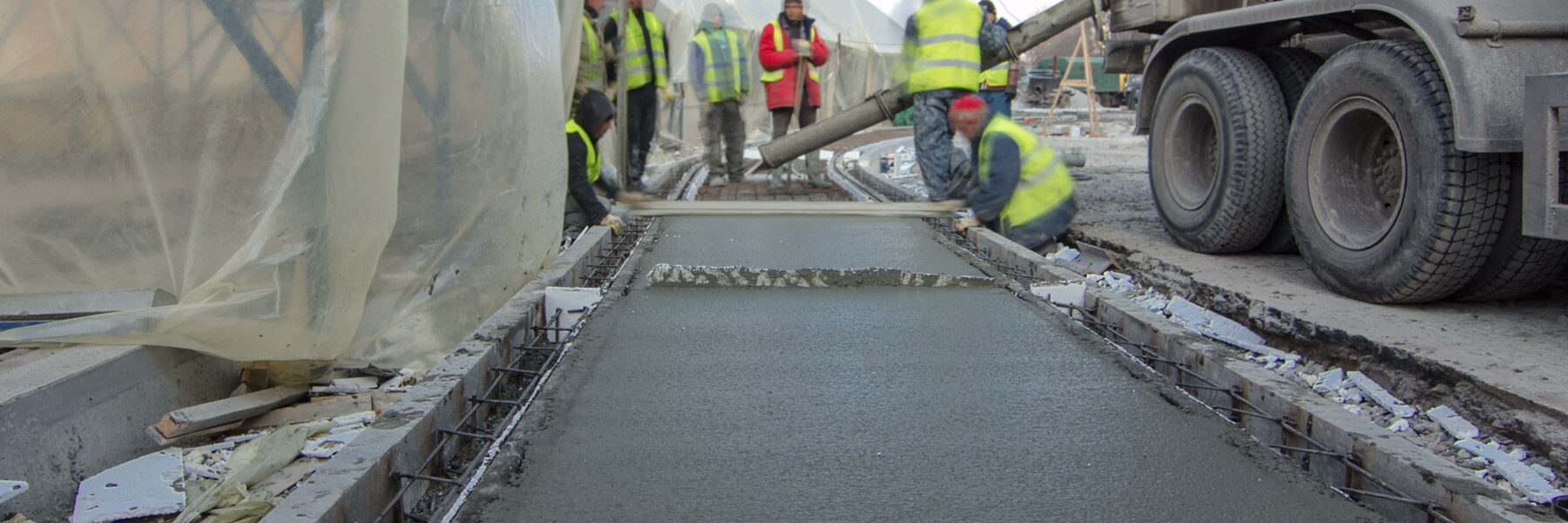
Concrete is the material of choice for many applications, whether you need a super-strong mix for a commercial project or you’re looking for a basic mix for a shed base. But what are the different types of concrete, and what’s the most suitable concrete grade for your needs? If you’d like to find out more, read on.
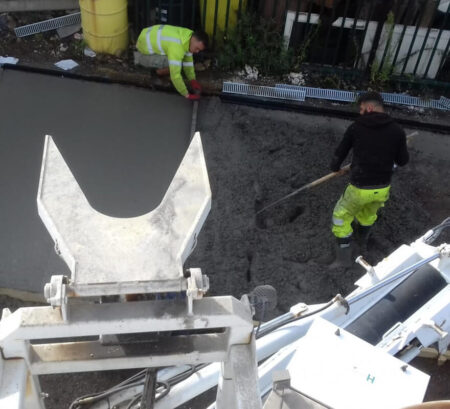 Ready Mix vs Volumetric Concrete
When choosing the right type of concrete for your job, the two main options you’ll need to consider are volumetric and ready mixed batches. Ready mix concrete is prepared at the plant, so when the lorry reaches your site, the mix is ready to be poured.
However, volumetric concrete is one of the most popular types of mix. Benefits include the fact it’s prepared onsite. While it’s crucial to discuss volumes and concrete grades with your supplier so that they can allocate the right resources to you on the day, the lorries will only start mixing the concrete once they’re onsite. This helps to create zero wastage, and the lorries can often mix larger amounts for your project.
Concrete Grades
Any concrete supplier will require you to let them know which concrete specifications are needed for the job. Otherwise, they can’t create the right mix of water, cement and aggregates for you.
The different ratios of each material will increase or decrease the strength of the concrete, so it’s vital the final product is suitable for its intended use. For example, you’ll need a different grade for a simple kerbside or flooring under a carpet than you do for a driveway, roadworks or agricultural applications.
Take a look at our concrete specifications page to see which type of concrete you’ll require. However, you can always check with our team if you’re unsure about what you need.
Specialist Concrete Mixes
Did you know you can also control the features of concrete and how it acts by adding specialist admixtures to ensure the batch has a specific property? This includes plasticisers to give the concrete more dexterity before it sets, giving you more flexibility. You can also add retarders to slow down the hardening process or accelerators to speed it up.
If you need reinforced concrete, this could also be achieved via the use of fibres to improve its tensile strength. The fibrous admixture usually consists of synthetic materials and glass to help ‘pre-stress’ the concrete and spread any tension across the mixture.
There’s also waterproofing admixtures for those structures that need to be even more resistant to water once the concrete hardens than a normal mix would be.
Looking for expert advice from a concrete supplier?
Get in touch with DSD Concrete. As a professional supplier of high-quality concrete mixes, we cover a wide area of Sussex, including Shoreham and Hastings. To receive advice or get a free, competitive quote, call now on 01825 704 500.